

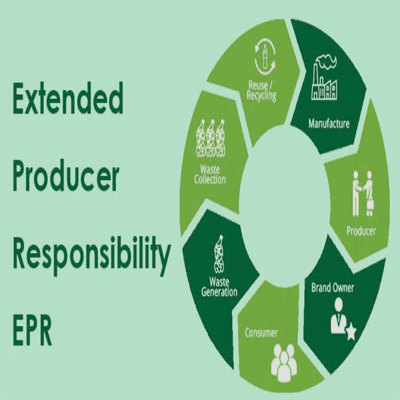
How to Obtain Extended Producer Responsibility (EPR) Certificates
By Team Metacorp
Legal & Compliance Experts
Extended Producer Responsibility (EPR) is a policy approach that holds manufacturers accountable for the environmental impact of their products throughout their lifecycle. As governments worldwide tighten regulations on waste management, businesses that manufacture, import, or distribute specific products must obtain EPR certificates to ensure compliance. This guide will walk you through the process of obtaining an EPR certificate, including eligibility, required documents, compliance obligations, and common challenges.
Understanding EPR and Its Importance
EPR shifts the responsibility of waste management from consumers and governments to manufacturers, encouraging sustainable production and disposal practices. By implementing EPR, governments aim to reduce waste, increase recycling rates, and promote eco-friendly product design.
Industries affected by EPR policies include:
- Plastic manufacturers and users
- Electronics and electrical equipment producers
- Battery manufacturers
- Packaging industry players
- Automotive sector
By adhering to EPR regulations, businesses not only comply with the law but also contribute to environmental sustainability, corporate social responsibility (CSR), and enhanced brand reputation.
Who Needs an EPR Certificate?
Not all businesses require an EPR certificate, but if your company manufactures, imports, or distributes regulated products, compliance is essential.
The following categories typically fall under EPR regulations:
- Producers of plastic packaging, e-waste, and hazardous materials
- Importers bringing regulated goods into the market
- Brand owners selling products under their name
- Distributors responsible for regulated goods’ distribution
Failure to comply with EPR regulations can lead to penalties, legal action, or bans on product sales in certain regions.
How to Get an EPR Certificate
Obtaining an EPR certificate requires businesses to follow specific regulatory steps, ensuring they meet environmental compliance standards. The general process includes:
1. Understanding Legal Requirements: Different countries have varying EPR laws, so it is crucial to check specific regulations applicable to your industry and region.
2. Engaging with a Producer Responsibility Organization (PRO): Many businesses work with PROs that help manage waste collection and recycling on their behalf.
3. Developing a Waste Management Plan: A well-defined strategy for waste collection, recycling, and disposal must be in place before applying.
4. Gathering Required Documents: Prepare all necessary paperwork, such as business licenses, waste management agreements, and environmental impact assessments.
5. Fulfilling Financial Obligations: Some authorities require companies to pay fees or contribute to waste management funds as part of EPR compliance.
How to Apply for an EPR Certificate
The process of applying for an EPR certificate varies by country, but the fundamental steps include:
Step 1: Register with the Relevant Authority
Identify the appropriate regulatory body for EPR certification in your country. Examples include:
- The Central Pollution Control Board (CPCB) in India
- The Environmental Protection Agency (EPA) in the U.S.
- The European Commission for EU businesses
Step 2: Submit Required Documents
Companies must provide documentation such as:
- Business registration and tax identification details
- Product details, including material composition and packaging specifications
- Waste collection and recycling agreements with authorized agencies
- A plan outlining how the business will meet EPR obligations
Step 3: Pay the Required Fees
Governments often charge a fee for EPR certification, which may vary based on industry type, production scale, and waste impact.
Step 4: Undergo Compliance Review
Regulatory authorities review the application and documents to ensure compliance with national and international environmental laws.
Step 5: Receive the EPR Certificate
Once approved, businesses receive their EPR certificate, allowing them to legally manufacture, import, or distribute products under EPR regulations.
Compliance and Renewal of EPR Certificates
EPR certification is not a one-time process; businesses must comply with ongoing reporting and renewal requirements.
- Regular Reporting and Audits: Companies must periodically submit reports on waste collection and recycling efforts.
- Meeting Waste Collection and Recycling Targets: Authorities set targets for waste reduction and recycling, which must be met to maintain compliance.
- Renewal Process: Most EPR certificates have an expiration date, requiring businesses to renew them within a specified period.
Common Challenges and How to Overcome Them
While obtaining an EPR certificate is crucial, businesses often face hurdles such as regulatory complexity and documentation issues. Here’s how to overcome them:
- Navigating Different Regulations: Since EPR laws vary globally, consulting with legal experts or compliance consultants can help.
- Ensuring Proper Waste Management Partnerships: Partnering with government-approved recycling agencies or PROs simplifies compliance.
- Handling Documentation Errors and Delays: Thoroughly reviewing all required documents before submission can minimize processing delays.
Benefits of EPR Compliance for Businesses
Beyond regulatory compliance, EPR certification enhances corporate sustainability and brand reputation.
- Strengthens Corporate Social Responsibility (CSR): Demonstrates a company’s commitment to environmental sustainability.
- Enhances Market Competitiveness: Consumers prefer brands that adopt eco-friendly practices.
- Potential Tax Benefits and Incentives: Some governments offer financial incentives or tax breaks for companies that meet EPR obligations.
Conclusion
EPR certification is an essential step for businesses committed to responsible production and waste management. By understanding the process, ensuring compliance, and staying up to date with regulatory requirements, companies can operate sustainably while avoiding legal and financial risks.
To learn more about EPR battery certificate in India, we recommend you to visit Metacorp as it solves legal and compliance issues of new and established businesses.